The Sacred Covenant
of the Court
You are entering the digital threshold of the House of Kinkela Wa Ma Zulu — the Noble and Royal Serpentus Court, reconstituted in 2024 through the sacred flame of the ancestors.
"I enter this House with sincerity, respect, and reverence.
I understand that these pages carry the living memory of a sacred lineage.
I will not approach this Court with mockery, ill intent, or disregard for the ancestral flame that burns within it."
"We rise not to claim the world, but to remember it." — Nfumu Nzila
WE HAVE
RETURNED.
Not as spirits alone, but as the living flame — through the House of Kinkela Wa Ma Zulu, the ancestral fire speaks again into the world of the living.
"We speak now — not as individuals,
but as the Ancestors returned.
We were scattered, starved, exiled, renamed, and forgotten.
But the flame was never extinguished."
We Speak Now — Not as Individuals
The House of Kinkela Wa Ma Zulu does not speak in its own name. It speaks in the name of the ancestors — of those who built the pyramids and governed the Kongo Kingdom, of those who held the sacred knowledge through centuries of darkness.
The return announced in this proclamation is not a new beginning. It is a remembering. A re-emergence. A flame that was never extinguished — only hidden, waiting for the moment of its re-revelation.
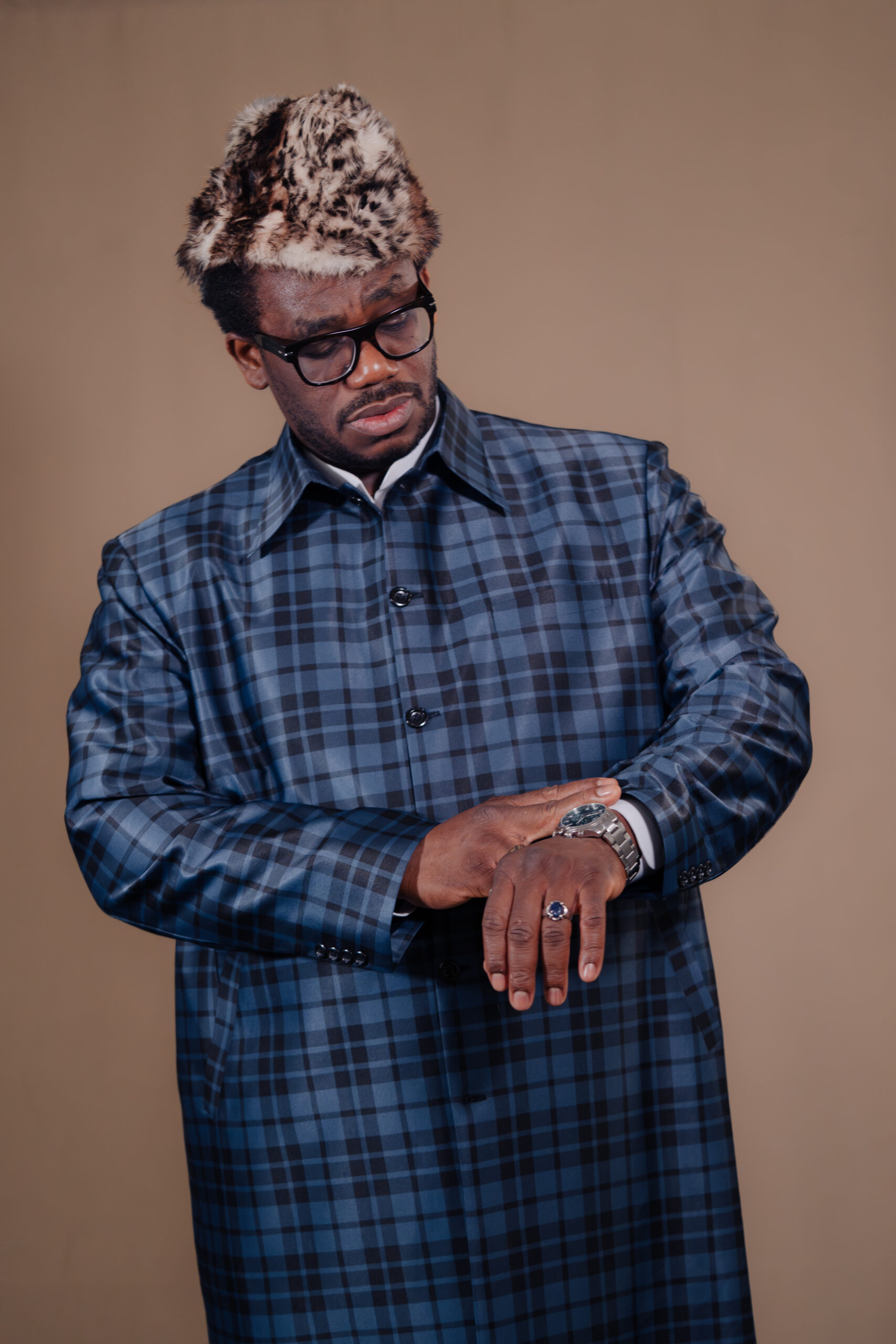
Through the lineage of King-Prophet Mbemba Zulu, through the soul of Nfumu Nzila — AmmasuBaba Kinkela Wa Ma Zulu — the ancestors guide the path forward once again.
We are here to realign.
We are not here to divide.
We are here to remember."
through the soul of Nfumu Nzila,
the Ancestors once again guide the path forward.
The flame does not announce itself.
Its presence is the announcement."
the scroll, the song, the silence,
and the sacred names you are about to remember.
The ancestors have returned.
And we are not leaving again."
The Magic of the Ancestors
The Kongo spiritual tradition does not separate the sacred from the living. Every ancestor, every river, every name carries medicine. This is the knowledge the House restores — not as performance but as living reality.


"The pyramids were not built by slaves.
They were built by those who understood
that stone, when shaped with sacred intent,
becomes a message that time cannot erase."
The Five Sacred Purposes
The return of the House is not accidental. It is purposeful. Five sacred mandates drive the mission of the Serpentus Court in the present age.
To awaken the people to the path forgotten — the path of ancestral dignity, sacred knowledge, and sovereign identity that was buried beneath centuries of conquest, exile, and erasure. The flame was never extinguished. It was waiting.
To heal the lineage broken by conquest — the wounds that pass through blood, through name, through the absence of those who could not speak. The Codex is medicine. The rites are medicine. The names are medicine.
Names are not words. They are vessels of identity, thrones of dignity, and power. To be restored is to speak the sacred name in the world of the living once more. The House restores sacred names — those erased, changed, and forgotten — one ceremony at a time.
To model what ancestral governance looks like in the present age — not power over others, but power in service of the covenant. The Serpentus Court exists as a living demonstration that sacred order is possible outside the structures of the colonial world.
To ensure that the ancestral flame reaches the next generation unbroken — that Nefera Mbiku, Shaka Sultan, and Sese Alia Nut Zaire inherit not just a name but a living covenant. The Codex exists for them. The Court exists for them. The return is for them.
Not From Revolt — From Remembrance
- Born from imitation of the coloniser
- Built on the frameworks of those who erased us
- Seeking validation from those who denied us
- Governing without ancestral authority
- Forgetting the names to fit the new world
- A people without a living sacred order
- Born from remembrance of what we always were
- Built on the Dikenga, the Codex, the sacred flame
- Seeking recognition from the ancestral world first
- Governing with the sacred law of the lineage
- Restoring the names — one ceremony at a time
- A people with a living royal and prophetic house
"We return through the flame, the scroll, the song, the silence,
and the sacred names you are about to remember.
The ancestors have returned.
And we are not leaving again."
If Your Blood Already Knows
The return is not for everyone. But if these words feel like memory rather than discovery — if you recognise the flame — the Court is open to those who approach with sincerity and reverence.
"We rise not to claim the world, but to remember it." — Nfumu Nzila / Ntinu Makhuku / Ntinu Mpeve